Buy my-food.eu ?
We are moving the project
my-food.eu .
Are you interested in purchasing the domain
my-food.eu ?
domain@kv-gmbh.de · 0541-91531010
Buy my-food.eu ?
What is the deontological perspective?
The deontological perspective is an ethical theory that focuses on the inherent rightness or wrongness of actions themselves, rather than the consequences of those actions. It is based on the idea that certain actions are morally obligatory regardless of their outcomes. Deontologists believe that individuals have a duty to follow certain moral rules or principles, such as honesty or respecting others' autonomy, regardless of the potential benefits or harms that may result. This perspective is often associated with philosophers like Immanuel Kant, who argued that moral principles are universal and apply to all rational beings. **
What is meant by deontological and teleological?
Deontological ethics is an ethical theory that focuses on the inherent rightness or wrongness of actions themselves, rather than the consequences of those actions. It emphasizes the importance of following moral rules and duties, regardless of the outcomes. On the other hand, teleological ethics, also known as consequentialism, is an ethical theory that evaluates the morality of actions based on their outcomes or consequences. It emphasizes the idea that the rightness or wrongness of an action is determined by the overall good or bad results it produces. In summary, deontological ethics focuses on the inherent nature of actions, while teleological ethics focuses on the outcomes of actions. **


Similar search terms for Deontological
Top-Angebote
Products related to Deontological:
-
Hape Kitchen Healthy Basics Food Playset, 10 PiecesHAPE KITCHEN FOOD PLAYSET: HEALTHY BASICS - FOOD PLAYSET - 10 PIECES - An easy-to-tote watering can is a must for young aspiring gardeners! Kids love the fun bright colors and playful design of these compact watering cans.36,99 $*Shipping: 0,00 $Secure redirect to the provider
-
Hape Kitchen Healthy Salad Food Playset, 39 PiecesHAPE HEALTHY SALAD - WOODEN FOOD PLAYSET - 39 PIECES - Prepare a healthy meal with this fantastic salad playset! Includes pieces of egg, avocado, cucumber, tomato, onion and other vegetables which can be sliced using the realistic play knife.34,99 $*Shipping: 0,00 $Secure redirect to the provider
-
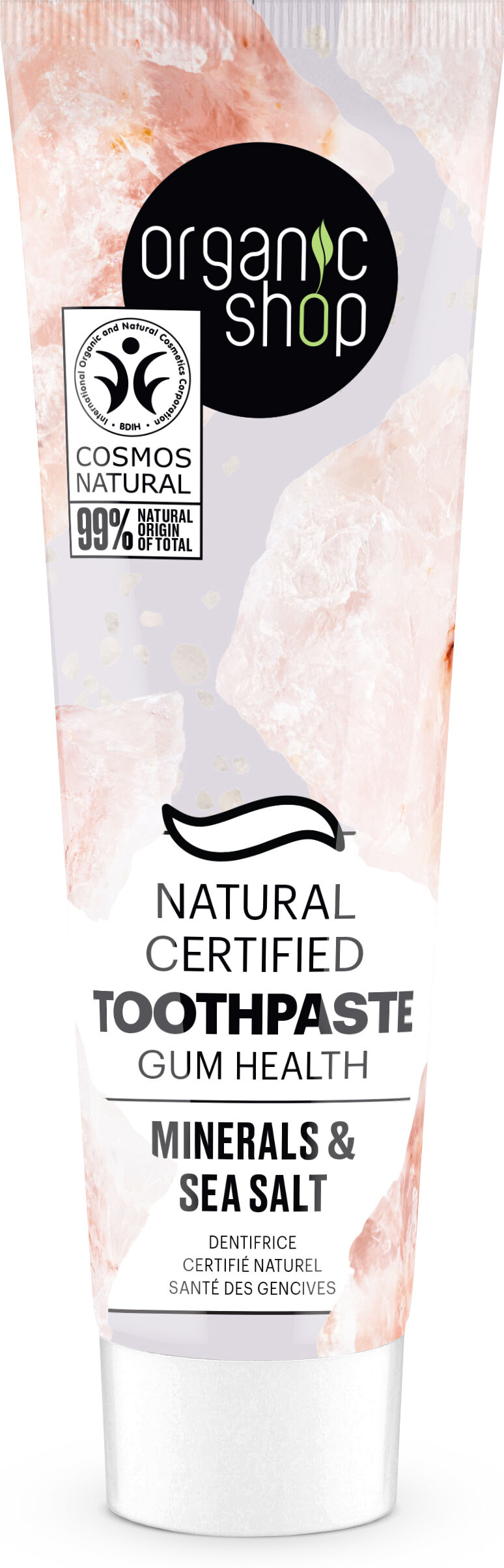
Organic Shop Toothpaste Healthy Gums Minerals and Sea Salt 100 grHealth and Beauty Oral Care Organic Shop Toothpaste Healthy Gums Minerals and Sea Salt 100 gr The use of this toothpaste with Minerals in its formula keeps teeth and gums clean and healthy, keeping teeth strong and gums strong. While Sea Salt maintains the integrity of the teeth and the strength of the enamel.2,98 £*Shipping: 3,99 £Secure redirect to the provider
-
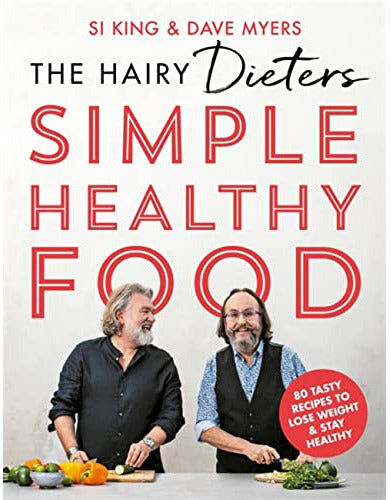
Seven The Hairy Dieters' Simple Healthy Food: 80 Tasty Recipes to Lose Weight and Stay HealthyThe nation's favourite food heroes, aka the Hairy Dieters, are back to show you that losing weight and staying healthy doesn't mean losing out on taste and enjoyment. With more than 80 great new recipes, Si and Dave prove that healthy food can be delicious food - and also easy, accessible and affordable. With the abundance of health and nutrition information being published, it can be hard to keep up with what's good for you and what's not; what the latest advice is on low-fat products; or what you need to know about gut health or high fibre diets. As consumers, we are constantly bombarded by conflicting messages about what to eat and when - and unsurprisingly this can become overwhelming. Ten years on from the release of their first, multi-million copy selling diet book, THE HAIRY DIETERS, Si and Dave are aware of how confusing this can be. THE HAIRY DIETERS: SIMPLE HEALTHY FOOD is here to provide clear, simple nutritional ground rules - based on the advice of medical experts, including Professor Roy Taylor, and professional athletes - and delicious low-cal recipes to help you eat well, lose weight and stay healthy for the long term. This book is brimming with good-hearted healthy food, including tasty ways to start the day, light takes on lunch, speedy snacks, satisfying dinners and brilliant batch-cook basics. All made with easy-to-find ingredients and packed with the Hairy Bikers' trademark knockout flavours, so you won't feel like you're missing out when you cook from this book - these are healthy meals that the whole family will love8,95 £*Shipping: 2,99 £Secure redirect to the provider


-
Does Kant's deontological ethics contradict Aristotle's eudaemonistic ethics?
Kant's deontological ethics and Aristotle's eudaemonistic ethics have some fundamental differences, but they do not necessarily contradict each other. Kant's ethics focus on duty and the intention behind actions, while Aristotle's ethics emphasize achieving eudaimonia, or human flourishing, through virtuous actions. While Kant's emphasis on duty can sometimes conflict with Aristotle's emphasis on virtue, both ethical theories ultimately aim to guide individuals towards leading a good and moral life. Therefore, while they may approach ethics from different perspectives, they can be seen as complementary rather than contradictory. **
-
What is the difference between deontological ethics and utilitarianism?
Deontological ethics is an ethical theory that focuses on the inherent rightness or wrongness of actions themselves, regardless of their consequences. It emphasizes the importance of following moral rules and duties, such as telling the truth or keeping promises, regardless of the outcomes. On the other hand, utilitarianism is a consequentialist ethical theory that evaluates the morality of actions based on their outcomes. It prioritizes maximizing overall happiness or well-being for the greatest number of people, often through the calculation of benefits and harms. In summary, deontological ethics emphasizes the inherent morality of actions, while utilitarianism focuses on the consequences of actions. **
-
Does discourse ethics have a teleological or deontological approach?
Discourse ethics is primarily associated with a deontological approach. It focuses on the principles of communication and interaction between individuals, emphasizing the importance of ethical norms and rules in guiding discourse. The goal is to ensure that communication is based on mutual respect, equality, and rationality, rather than aiming towards a specific outcome or goal. By prioritizing the ethical principles of communication, discourse ethics aims to create a fair and just dialogue among participants. **
-
Is organic sustainable?
Organic farming practices can be more sustainable than conventional methods in terms of reducing chemical inputs, promoting biodiversity, and improving soil health. However, there are challenges to the scalability and efficiency of organic farming, which can impact its overall sustainability. For example, organic farming typically requires more land and labor to produce the same amount of food as conventional methods, which can limit its ability to meet global food demand. Additionally, the transportation and distribution of organic products can have a higher environmental impact due to their shorter shelf life and the need for refrigeration. Overall, while organic farming has many sustainable benefits, there are also limitations to its long-term sustainability on a large scale. **


Is deontological ethics exactly the same as the categorical imperative?
Deontological ethics is a broader ethical theory that states that actions are inherently right or wrong, regardless of their consequences. The categorical imperative, on the other hand, is a specific formulation within deontological ethics proposed by Immanuel Kant. While the categorical imperative is a key component of deontological ethics, deontological ethics encompasses a wider range of principles and theories beyond just the categorical imperative. **
What are the differences between deontological ethics and utilitarian ethics?
Deontological ethics, also known as duty-based ethics, focuses on the inherent rightness or wrongness of actions themselves, regardless of their consequences. It emphasizes following moral rules and duties, such as telling the truth or keeping promises, based on principles like the categorical imperative. On the other hand, utilitarian ethics, also known as consequentialist ethics, prioritizes the outcomes or consequences of actions. It aims to maximize overall happiness or well-being for the greatest number of people, often through the calculation of benefits and harms. While deontological ethics emphasizes duty and rules, utilitarian ethics prioritizes the greatest good for the greatest number. **
Top-Angebote
Products related to Deontological:
-
TIMELESS Handmade Tablecloth by Sustainable Threads Organic Cotton Handwoven Ikat Fair TradeTIMELESS Tablecloth Add rich heritage and extraordinary craftsmanship to your table with our TIMELESS Tablecloth, meticulously handmade from organic cotton and woven on traditional manual looms.152,00 $*Shipping: 0,00 $Secure redirect to the provider
-
Kozy Kitchen Serving Tray, Breakfast Tray, Organic Bamboo, Tea Lovers Gift, Sustainable GiftA single thing can make a bad day better. Especially a perfect morning. Everyone's idea of an ideal breakfast consists of a serving tray with a delicate cup of tea or that strong coffee with freshly squeezed juice.27,29 $*Shipping: 0,00 $Secure redirect to the provider
-
Hape Kitchen Healthy Basics Food Playset, 10 PiecesHAPE KITCHEN FOOD PLAYSET: HEALTHY BASICS - FOOD PLAYSET - 10 PIECES - An easy-to-tote watering can is a must for young aspiring gardeners! Kids love the fun bright colors and playful design of these compact watering cans.36,99 $*Shipping: 0,00 $Secure redirect to the provider
-
Hape Kitchen Healthy Salad Food Playset, 39 PiecesHAPE HEALTHY SALAD - WOODEN FOOD PLAYSET - 39 PIECES - Prepare a healthy meal with this fantastic salad playset! Includes pieces of egg, avocado, cucumber, tomato, onion and other vegetables which can be sliced using the realistic play knife.34,99 $*Shipping: 0,00 $Secure redirect to the provider
-
What is the deontological perspective?
The deontological perspective is an ethical theory that focuses on the inherent rightness or wrongness of actions themselves, rather than the consequences of those actions. It is based on the idea that certain actions are morally obligatory regardless of their outcomes. Deontologists believe that individuals have a duty to follow certain moral rules or principles, such as honesty or respecting others' autonomy, regardless of the potential benefits or harms that may result. This perspective is often associated with philosophers like Immanuel Kant, who argued that moral principles are universal and apply to all rational beings. **
-
What is meant by deontological and teleological?
Deontological ethics is an ethical theory that focuses on the inherent rightness or wrongness of actions themselves, rather than the consequences of those actions. It emphasizes the importance of following moral rules and duties, regardless of the outcomes. On the other hand, teleological ethics, also known as consequentialism, is an ethical theory that evaluates the morality of actions based on their outcomes or consequences. It emphasizes the idea that the rightness or wrongness of an action is determined by the overall good or bad results it produces. In summary, deontological ethics focuses on the inherent nature of actions, while teleological ethics focuses on the outcomes of actions. **
-
Does Kant's deontological ethics contradict Aristotle's eudaemonistic ethics?
Kant's deontological ethics and Aristotle's eudaemonistic ethics have some fundamental differences, but they do not necessarily contradict each other. Kant's ethics focus on duty and the intention behind actions, while Aristotle's ethics emphasize achieving eudaimonia, or human flourishing, through virtuous actions. While Kant's emphasis on duty can sometimes conflict with Aristotle's emphasis on virtue, both ethical theories ultimately aim to guide individuals towards leading a good and moral life. Therefore, while they may approach ethics from different perspectives, they can be seen as complementary rather than contradictory. **
-
What is the difference between deontological ethics and utilitarianism?
Deontological ethics is an ethical theory that focuses on the inherent rightness or wrongness of actions themselves, regardless of their consequences. It emphasizes the importance of following moral rules and duties, such as telling the truth or keeping promises, regardless of the outcomes. On the other hand, utilitarianism is a consequentialist ethical theory that evaluates the morality of actions based on their outcomes. It prioritizes maximizing overall happiness or well-being for the greatest number of people, often through the calculation of benefits and harms. In summary, deontological ethics emphasizes the inherent morality of actions, while utilitarianism focuses on the consequences of actions. **
Similar search terms for Deontological
-
Organic Shop Toothpaste Healthy Gums Minerals and Sea Salt 100 grHealth and Beauty Oral Care Organic Shop Toothpaste Healthy Gums Minerals and Sea Salt 100 gr The use of this toothpaste with Minerals in its formula keeps teeth and gums clean and healthy, keeping teeth strong and gums strong. While Sea Salt maintains the integrity of the teeth and the strength of the enamel.2,98 £*Shipping: 3,99 £Secure redirect to the provider
-
Seven The Hairy Dieters' Simple Healthy Food: 80 Tasty Recipes to Lose Weight and Stay HealthyThe nation's favourite food heroes, aka the Hairy Dieters, are back to show you that losing weight and staying healthy doesn't mean losing out on taste and enjoyment. With more than 80 great new recipes, Si and Dave prove that healthy food can be delicious food - and also easy, accessible and affordable. With the abundance of health and nutrition information being published, it can be hard to keep up with what's good for you and what's not; what the latest advice is on low-fat products; or what you need to know about gut health or high fibre diets. As consumers, we are constantly bombarded by conflicting messages about what to eat and when - and unsurprisingly this can become overwhelming. Ten years on from the release of their first, multi-million copy selling diet book, THE HAIRY DIETERS, Si and Dave are aware of how confusing this can be. THE HAIRY DIETERS: SIMPLE HEALTHY FOOD is here to provide clear, simple nutritional ground rules - based on the advice of medical experts, including Professor Roy Taylor, and professional athletes - and delicious low-cal recipes to help you eat well, lose weight and stay healthy for the long term. This book is brimming with good-hearted healthy food, including tasty ways to start the day, light takes on lunch, speedy snacks, satisfying dinners and brilliant batch-cook basics. All made with easy-to-find ingredients and packed with the Hairy Bikers' trademark knockout flavours, so you won't feel like you're missing out when you cook from this book - these are healthy meals that the whole family will love8,95 £*Shipping: 2,99 £Secure redirect to the provider
-
Happy Pet Pantry Fresh Paw Pet Oral Care Solution For Fresh Breath, Plaque Removal & Healthy Gums Fresh Paw Pet Oral Care Solution For Fresh Breath, Plaque Removal & Healthy GumsBad breath can make cuddle time less enjoyable, but keeping your pets mouth clean doesnt have to be difficult. This pet oral care solution is designed to help support cleaner teeth, fresher breath, and healthier gums for dogs and cats. Its gentle...37,97 $*Shipping: 0,00 $Secure redirect to the provider
-
TIMELESS Handmade Tablecloth by Sustainable Threads Organic Cotton Handwoven Ikat Fair TradeTIMELESS Tablecloth Add rich heritage and extraordinary craftsmanship to your table with our TIMELESS Tablecloth, meticulously handmade from organic cotton and woven on traditional manual looms.220,00 $*Shipping: 0,00 $Secure redirect to the provider
-
Does discourse ethics have a teleological or deontological approach?
Discourse ethics is primarily associated with a deontological approach. It focuses on the principles of communication and interaction between individuals, emphasizing the importance of ethical norms and rules in guiding discourse. The goal is to ensure that communication is based on mutual respect, equality, and rationality, rather than aiming towards a specific outcome or goal. By prioritizing the ethical principles of communication, discourse ethics aims to create a fair and just dialogue among participants. **
-
Is organic sustainable?
Organic farming practices can be more sustainable than conventional methods in terms of reducing chemical inputs, promoting biodiversity, and improving soil health. However, there are challenges to the scalability and efficiency of organic farming, which can impact its overall sustainability. For example, organic farming typically requires more land and labor to produce the same amount of food as conventional methods, which can limit its ability to meet global food demand. Additionally, the transportation and distribution of organic products can have a higher environmental impact due to their shorter shelf life and the need for refrigeration. Overall, while organic farming has many sustainable benefits, there are also limitations to its long-term sustainability on a large scale. **
-
Is deontological ethics exactly the same as the categorical imperative?
Deontological ethics is a broader ethical theory that states that actions are inherently right or wrong, regardless of their consequences. The categorical imperative, on the other hand, is a specific formulation within deontological ethics proposed by Immanuel Kant. While the categorical imperative is a key component of deontological ethics, deontological ethics encompasses a wider range of principles and theories beyond just the categorical imperative. **
-
What are the differences between deontological ethics and utilitarian ethics?
Deontological ethics, also known as duty-based ethics, focuses on the inherent rightness or wrongness of actions themselves, regardless of their consequences. It emphasizes following moral rules and duties, such as telling the truth or keeping promises, based on principles like the categorical imperative. On the other hand, utilitarian ethics, also known as consequentialist ethics, prioritizes the outcomes or consequences of actions. It aims to maximize overall happiness or well-being for the greatest number of people, often through the calculation of benefits and harms. While deontological ethics emphasizes duty and rules, utilitarian ethics prioritizes the greatest good for the greatest number. **
* All prices are inclusive of VAT and, if applicable, plus shipping costs. The offer information is based on the details provided by the respective shop and is updated through automated processes. Real-time updates do not occur, so deviations can occur in individual cases. ** Note: Parts of this content were created by AI.