Buy my-food.eu ?
We are moving the project
my-food.eu .
Are you interested in purchasing the domain
my-food.eu ?
domain@kv-gmbh.de · 0541-91531010
Buy my-food.eu ?
Is my pulse okay?
It is important to know what your normal resting pulse rate is, as it can vary depending on factors such as age, fitness level, and overall health. A normal resting pulse rate for adults is typically between 60-100 beats per minute. If your pulse rate falls within this range, it is generally considered normal. However, if you are experiencing any symptoms such as dizziness, shortness of breath, or chest pain, it is important to consult with a healthcare professional to determine if your pulse rate is okay. **
Can't I find my pulse?
If you are having difficulty finding your pulse, there are a few things you can try. First, make sure you are in a quiet environment and using the correct technique - typically using your index and middle fingers to press lightly on the artery. You can try different locations such as the wrist, neck, or groin. If you are still having trouble, it may be helpful to consult a healthcare professional who can assist you in locating your pulse. **
Similar search terms for Pulse
Top-Angebote
Products related to Pulse:
-
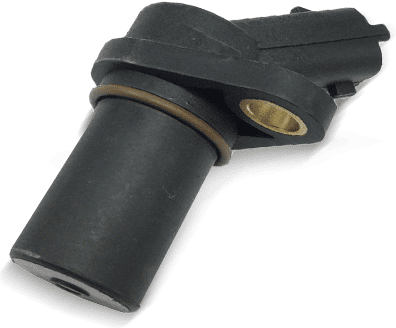
PREXAparts P101031 Sensor, ignition pulseTecDoc Engine Number: 19427, 33442, 15528, 16140, 15474, 9453, 16386, 16335, 13772, 13268, 16197, 15529, 16434, 16134, 16387, 17041, 17042, 20526, 20525, 18750, 20190; Transmission Type: 5-Speed Manual Transmission, automatically operated, 6-Speed Manual Transmission; Transmission ID: PCS/PCT/QCK/QCL, RNC/RND, GXB; Vehicle Identification Number (VIN) to: 6K-1-158 8007,99 £*Shipping: 8,45 £Secure redirect to the provider
-
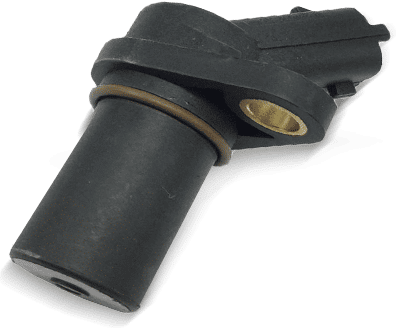
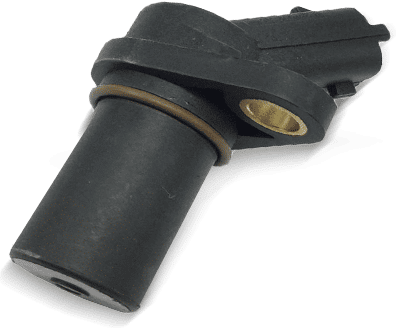
PREXAparts P301016 Sensor, ignition pulseNumber of pins: 3; Voltage [V]: 12; TecDoc Engine Number: 22149; Construction Year to: 08/2005, 11/2005, 10/2005, 12/2015, 12/2011, 12/2014; Engine Number to: 30134434, 30497543, 40086332; Required quantity: 2; Fitting Position: both sides12,49 £*Shipping: 8,45 £Secure redirect to the provider



-
"Is my pulse not normal?"
It's important to monitor your pulse regularly to ensure it is within a normal range. A normal resting heart rate for adults is typically between 60-100 beats per minute. If you notice that your pulse is consistently outside of this range, it's a good idea to consult with a healthcare professional to rule out any underlying health issues. Additionally, factors such as age, fitness level, and medication can also affect your pulse, so it's important to consider these factors when evaluating your heart rate. **
-
Is organic sustainable?
Organic farming practices can be more sustainable than conventional methods in terms of reducing chemical inputs, promoting biodiversity, and improving soil health. However, there are challenges to the scalability and efficiency of organic farming, which can impact its overall sustainability. For example, organic farming typically requires more land and labor to produce the same amount of food as conventional methods, which can limit its ability to meet global food demand. Additionally, the transportation and distribution of organic products can have a higher environmental impact due to their shorter shelf life and the need for refrigeration. Overall, while organic farming has many sustainable benefits, there are also limitations to its long-term sustainability on a large scale. **
-
Is my pulse normal at 44?
A pulse rate of 44 beats per minute is considered to be lower than the normal range for adults, which is typically between 60-100 beats per minute. This lower pulse rate is known as bradycardia and can be caused by various factors such as being physically fit, certain medications, or underlying medical conditions. It is important to consult with a healthcare provider to determine the cause of your low pulse rate and whether any further evaluation or treatment is needed. **
-
"Is my pulse normal at 43?"
A normal resting pulse for adults is typically between 60-100 beats per minute. A pulse of 43 may be considered lower than normal, but it can also be normal for some individuals, especially athletes or those who are very physically fit. If you are experiencing any symptoms such as dizziness, fainting, or shortness of breath, it is important to consult with a healthcare professional to determine if your pulse is a cause for concern. **

How fast is my cat's pulse?
A cat's pulse typically ranges from 140 to 220 beats per minute. To check your cat's pulse, place your fingers on the inside of their hind leg, near the top, or on the underside of their front leg, near the elbow. Count the number of beats you feel in 15 seconds and then multiply by 4 to get the beats per minute. If you have any concerns about your cat's pulse, it's best to consult with a veterinarian. **
How can one explain a healthy heart with a slow pulse?
A healthy heart with a slow pulse can be explained by good cardiovascular fitness. Regular exercise can lead to a more efficient heart that pumps blood effectively with fewer beats per minute. Additionally, a slow pulse can also be a sign of a strong and well-conditioned heart muscle. It is important to note that individual differences in heart rate can also play a role in determining what is considered a healthy pulse rate. **
Top-Angebote
Products related to Pulse:
-
PREXAparts P101031 Sensor, ignition pulseTecDoc Engine Number: 19427, 33442, 15528, 16140, 15474, 9453, 16386, 16335, 13772, 13268, 16197, 15529, 16434, 16134, 16387, 17041, 17042, 20526, 20525, 18750, 20190; Transmission Type: 5-Speed Manual Transmission, automatically operated, 6-Speed Manual Transmission; Transmission ID: PCS/PCT/QCK/QCL, RNC/RND, GXB; Vehicle Identification Number (VIN) to: 6K-1-158 8007,99 £*Shipping: 8,45 £Secure redirect to the provider
-
Is my pulse okay?
It is important to know what your normal resting pulse rate is, as it can vary depending on factors such as age, fitness level, and overall health. A normal resting pulse rate for adults is typically between 60-100 beats per minute. If your pulse rate falls within this range, it is generally considered normal. However, if you are experiencing any symptoms such as dizziness, shortness of breath, or chest pain, it is important to consult with a healthcare professional to determine if your pulse rate is okay. **
-
Can't I find my pulse?
If you are having difficulty finding your pulse, there are a few things you can try. First, make sure you are in a quiet environment and using the correct technique - typically using your index and middle fingers to press lightly on the artery. You can try different locations such as the wrist, neck, or groin. If you are still having trouble, it may be helpful to consult a healthcare professional who can assist you in locating your pulse. **
-
"Is my pulse not normal?"
It's important to monitor your pulse regularly to ensure it is within a normal range. A normal resting heart rate for adults is typically between 60-100 beats per minute. If you notice that your pulse is consistently outside of this range, it's a good idea to consult with a healthcare professional to rule out any underlying health issues. Additionally, factors such as age, fitness level, and medication can also affect your pulse, so it's important to consider these factors when evaluating your heart rate. **
-
Is organic sustainable?
Organic farming practices can be more sustainable than conventional methods in terms of reducing chemical inputs, promoting biodiversity, and improving soil health. However, there are challenges to the scalability and efficiency of organic farming, which can impact its overall sustainability. For example, organic farming typically requires more land and labor to produce the same amount of food as conventional methods, which can limit its ability to meet global food demand. Additionally, the transportation and distribution of organic products can have a higher environmental impact due to their shorter shelf life and the need for refrigeration. Overall, while organic farming has many sustainable benefits, there are also limitations to its long-term sustainability on a large scale. **
Similar search terms for Pulse
-
PREXAparts P301016 Sensor, ignition pulseNumber of pins: 3; Voltage [V]: 12; TecDoc Engine Number: 22149; Construction Year to: 08/2005, 11/2005, 10/2005, 12/2015, 12/2011, 12/2014; Engine Number to: 30134434, 30497543, 40086332; Required quantity: 2; Fitting Position: both sides12,49 £*Shipping: 8,45 £Secure redirect to the provider
-
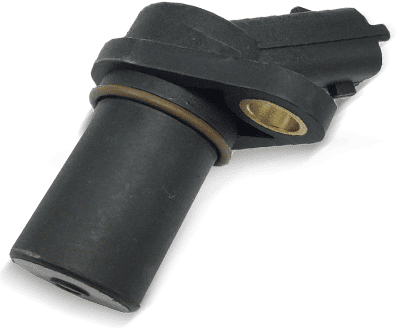
PREXAparts P301018 Sensor, ignition pulseTransmission Type: Manual Transmission, Automatic Transmission; Engine Number from: 001262, 005113, 016455, 001033, 013719, 056729, 006070, 063710, 001164; TecDoc Engine Number: 2112, 11250, 5235, 5236, 17850; Construction Year from: 09/199520,99 £*Shipping: 8,45 £Secure redirect to the provider
-
Is my pulse normal at 44?
A pulse rate of 44 beats per minute is considered to be lower than the normal range for adults, which is typically between 60-100 beats per minute. This lower pulse rate is known as bradycardia and can be caused by various factors such as being physically fit, certain medications, or underlying medical conditions. It is important to consult with a healthcare provider to determine the cause of your low pulse rate and whether any further evaluation or treatment is needed. **
-
"Is my pulse normal at 43?"
A normal resting pulse for adults is typically between 60-100 beats per minute. A pulse of 43 may be considered lower than normal, but it can also be normal for some individuals, especially athletes or those who are very physically fit. If you are experiencing any symptoms such as dizziness, fainting, or shortness of breath, it is important to consult with a healthcare professional to determine if your pulse is a cause for concern. **
-
How fast is my cat's pulse?
A cat's pulse typically ranges from 140 to 220 beats per minute. To check your cat's pulse, place your fingers on the inside of their hind leg, near the top, or on the underside of their front leg, near the elbow. Count the number of beats you feel in 15 seconds and then multiply by 4 to get the beats per minute. If you have any concerns about your cat's pulse, it's best to consult with a veterinarian. **
-
How can one explain a healthy heart with a slow pulse?
A healthy heart with a slow pulse can be explained by good cardiovascular fitness. Regular exercise can lead to a more efficient heart that pumps blood effectively with fewer beats per minute. Additionally, a slow pulse can also be a sign of a strong and well-conditioned heart muscle. It is important to note that individual differences in heart rate can also play a role in determining what is considered a healthy pulse rate. **
* All prices are inclusive of VAT and, if applicable, plus shipping costs. The offer information is based on the details provided by the respective shop and is updated through automated processes. Real-time updates do not occur, so deviations can occur in individual cases. ** Note: Parts of this content were created by AI.