Buy my-food.eu ?
We are moving the project
my-food.eu .
Are you interested in purchasing the domain
my-food.eu ?
domain@kv-gmbh.de · 0541-91531010
Buy my-food.eu ?
When do you conjugate "avoir"?
The verb "avoir" is conjugated when talking about possession or to form compound tenses such as the passé composé. In these cases, "avoir" is conjugated according to the subject of the sentence. For example, "J'ai un chat" (I have a cat) or "Nous avons mangé" (We have eaten). **
How do you conjugate falloir?
The verb "falloir" is an impersonal verb, meaning it is only used in the third person singular. It is conjugated as "il faut" in the present tense, "il fallait" in the imperfect tense, and "il faudra" in the future tense. There is no need to conjugate it for different subjects, as it always remains in the third person singular form. **


Similar search terms for Conjugate
Top-Angebote
Products related to Conjugate:
-
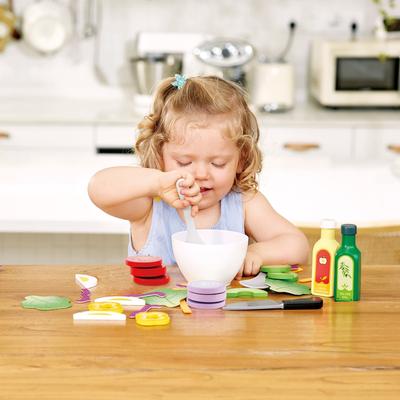
Hape Kitchen Healthy Salad Food Playset, 39 PiecesHAPE HEALTHY SALAD - WOODEN FOOD PLAYSET - 39 PIECES - Prepare a healthy meal with this fantastic salad playset! Includes pieces of egg, avocado, cucumber, tomato, onion and other vegetables which can be sliced using the realistic play knife.34,99 $*Shipping: 0,00 $Secure redirect to the provider
-
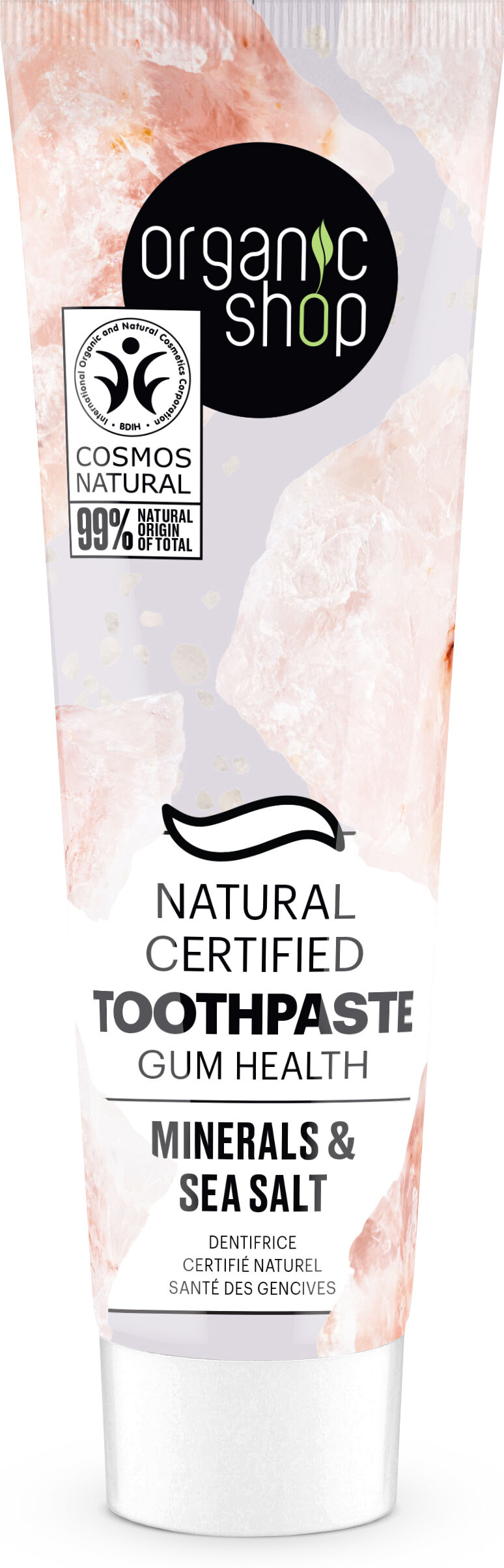
Organic Shop Toothpaste Healthy Gums Minerals and Sea Salt 100 grHealth and Beauty Oral Care Organic Shop Toothpaste Healthy Gums Minerals and Sea Salt 100 gr The use of this toothpaste with Minerals in its formula keeps teeth and gums clean and healthy, keeping teeth strong and gums strong. While Sea Salt maintains the integrity of the teeth and the strength of the enamel.4,05 £*Shipping: 3,99 £Secure redirect to the provider
-
Seven The Hairy Dieters' Simple Healthy Food: 80 Tasty Recipes to Lose Weight and Stay HealthyThe nation's favourite food heroes, aka the Hairy Dieters, are back to show you that losing weight and staying healthy doesn't mean losing out on taste and enjoyment. With more than 80 great new recipes, Si and Dave prove that healthy food can be delicious food - and also easy, accessible and affordable. With the abundance of health and nutrition information being published, it can be hard to keep up with what's good for you and what's not; what the latest advice is on low-fat products; or what you need to know about gut health or high fibre diets. As consumers, we are constantly bombarded by conflicting messages about what to eat and when - and unsurprisingly this can become overwhelming. Ten years on from the release of their first, multi-million copy selling diet book, THE HAIRY DIETERS, Si and Dave are aware of how confusing this can be. THE HAIRY DIETERS: SIMPLE HEALTHY FOOD is here to provide clear, simple nutritional ground rules - based on the advice of medical experts, including Professor Roy Taylor, and professional athletes - and delicious low-cal recipes to help you eat well, lose weight and stay healthy for the long term. This book is brimming with good-hearted healthy food, including tasty ways to start the day, light takes on lunch, speedy snacks, satisfying dinners and brilliant batch-cook basics. All made with easy-to-find ingredients and packed with the Hairy Bikers' trademark knockout flavours, so you won't feel like you're missing out when you cook from this book - these are healthy meals that the whole family will love8,95 £*Shipping: 2,99 £Secure redirect to the provider
-
Happy Pet Pantry Fresh Paw Pet Oral Care Solution For Fresh Breath, Plaque Removal & Healthy Gums Fresh Paw Pet Oral Care Solution For Fresh Breath, Plaque Removal & Healthy GumsBad breath can make cuddle time less enjoyable, but keeping your pets mouth clean doesnt have to be difficult. This pet oral care solution is designed to help support cleaner teeth, fresher breath, and healthier gums for dogs and cats. Its gentle...37,97 $*Shipping: 0,00 $Secure redirect to the provider


-
How do you conjugate French adjectives?
In French, adjectives must agree in gender (masculine or feminine) and number (singular or plural) with the noun they modify. To conjugate a French adjective, you need to add the appropriate ending to match the gender and number of the noun it describes. For example, to make the adjective "petit" (small) agree with a masculine singular noun, you would use "petit." But if the noun is feminine singular, you would use "petite." And for a masculine plural noun, you would use "petits," and for a feminine plural noun, you would use "petites." **
-
How do you conjugate in Hebrew?
In Hebrew, verbs are conjugated based on the subject of the sentence and the tense of the action. There are different conjugation patterns for each tense (past, present, future) and for each subject (I, you, he/she/it, we, you all, they). The verb root remains the same, but the conjugation changes to match the subject and tense. Additionally, Hebrew verbs also change based on gender and number of the subject. Learning the conjugation patterns and practicing with different verbs is essential for mastering Hebrew verb conjugation. **
-
How do you conjugate in French?
In French, verbs are conjugated to match the subject of the sentence, including the person (I, you, he/she, we, they) and the tense (present, past, future, etc.). To conjugate a regular verb in the present tense, you remove the infinitive ending (-er, -ir, -re) and add the appropriate ending for the subject (je, tu, il/elle, nous, vous, ils/elles). For example, for the verb "parler" (to speak), you would conjugate it as "je parle" (I speak), "tu parles" (you speak), "il/elle parle" (he/she speaks), "nous parlons" (we speak), "vous parlez" (you speak), "ils/elles parlent" (they speak). Irregular verbs have their own unique conjugation patterns that need to be memorized. **
-
Can you help me conjugate avoir?
Sure! The verb "avoir" is conjugated as follows: - J'ai (I have) - Tu as (You have) - Il/Elle/On a (He/She/One has) - Nous avons (We have) - Vous avez (You have) - Ils/Elles ont (They have) **

How do you conjugate "perire" in Latin?
The verb "perire" in Latin is conjugated as follows in the present tense: - I perish: pereo - You perish: peris - He/she/it perishes: perit - We perish: perimus - You (plural) perish: peritis - They perish: pereunt **
How do you conjugate the Passé Composé?
To conjugate the Passé Composé in French, you typically use the auxiliary verb "avoir" or "être" followed by the past participle of the main verb. The choice between "avoir" and "être" depends on the verb being used and whether it is a transitive or intransitive verb. The past participle of regular -er verbs is formed by replacing the -er ending with -é, for -ir verbs you replace the -ir ending with -i, and for -re verbs you replace the -re ending with -u. Irregular verbs have unique past participle forms that need to be memorized. **
Top-Angebote
Products related to Conjugate:
-
TIMELESS Handmade Tablecloth by Sustainable Threads Organic Cotton Handwoven Ikat Fair TradeTIMELESS Tablecloth Add rich heritage and extraordinary craftsmanship to your table with our TIMELESS Tablecloth, meticulously handmade from organic cotton and woven on traditional manual looms.152,00 $*Shipping: 0,00 $Secure redirect to the provider
-
Hape Kitchen Healthy Basics Food Playset, 10 PiecesHAPE KITCHEN FOOD PLAYSET: HEALTHY BASICS - FOOD PLAYSET - 10 PIECES - An easy-to-tote watering can is a must for young aspiring gardeners! Kids love the fun bright colors and playful design of these compact watering cans.36,99 $*Shipping: 0,00 $Secure redirect to the provider
-
Hape Kitchen Healthy Salad Food Playset, 39 PiecesHAPE HEALTHY SALAD - WOODEN FOOD PLAYSET - 39 PIECES - Prepare a healthy meal with this fantastic salad playset! Includes pieces of egg, avocado, cucumber, tomato, onion and other vegetables which can be sliced using the realistic play knife.34,99 $*Shipping: 0,00 $Secure redirect to the provider
-
Organic Shop Toothpaste Healthy Gums Minerals and Sea Salt 100 grHealth and Beauty Oral Care Organic Shop Toothpaste Healthy Gums Minerals and Sea Salt 100 gr The use of this toothpaste with Minerals in its formula keeps teeth and gums clean and healthy, keeping teeth strong and gums strong. While Sea Salt maintains the integrity of the teeth and the strength of the enamel.4,05 £*Shipping: 3,99 £Secure redirect to the provider
-
When do you conjugate "avoir"?
The verb "avoir" is conjugated when talking about possession or to form compound tenses such as the passé composé. In these cases, "avoir" is conjugated according to the subject of the sentence. For example, "J'ai un chat" (I have a cat) or "Nous avons mangé" (We have eaten). **
-
How do you conjugate falloir?
The verb "falloir" is an impersonal verb, meaning it is only used in the third person singular. It is conjugated as "il faut" in the present tense, "il fallait" in the imperfect tense, and "il faudra" in the future tense. There is no need to conjugate it for different subjects, as it always remains in the third person singular form. **
-
How do you conjugate French adjectives?
In French, adjectives must agree in gender (masculine or feminine) and number (singular or plural) with the noun they modify. To conjugate a French adjective, you need to add the appropriate ending to match the gender and number of the noun it describes. For example, to make the adjective "petit" (small) agree with a masculine singular noun, you would use "petit." But if the noun is feminine singular, you would use "petite." And for a masculine plural noun, you would use "petits," and for a feminine plural noun, you would use "petites." **
-
How do you conjugate in Hebrew?
In Hebrew, verbs are conjugated based on the subject of the sentence and the tense of the action. There are different conjugation patterns for each tense (past, present, future) and for each subject (I, you, he/she/it, we, you all, they). The verb root remains the same, but the conjugation changes to match the subject and tense. Additionally, Hebrew verbs also change based on gender and number of the subject. Learning the conjugation patterns and practicing with different verbs is essential for mastering Hebrew verb conjugation. **
Similar search terms for Conjugate
-
Seven The Hairy Dieters' Simple Healthy Food: 80 Tasty Recipes to Lose Weight and Stay HealthyThe nation's favourite food heroes, aka the Hairy Dieters, are back to show you that losing weight and staying healthy doesn't mean losing out on taste and enjoyment. With more than 80 great new recipes, Si and Dave prove that healthy food can be delicious food - and also easy, accessible and affordable. With the abundance of health and nutrition information being published, it can be hard to keep up with what's good for you and what's not; what the latest advice is on low-fat products; or what you need to know about gut health or high fibre diets. As consumers, we are constantly bombarded by conflicting messages about what to eat and when - and unsurprisingly this can become overwhelming. Ten years on from the release of their first, multi-million copy selling diet book, THE HAIRY DIETERS, Si and Dave are aware of how confusing this can be. THE HAIRY DIETERS: SIMPLE HEALTHY FOOD is here to provide clear, simple nutritional ground rules - based on the advice of medical experts, including Professor Roy Taylor, and professional athletes - and delicious low-cal recipes to help you eat well, lose weight and stay healthy for the long term. This book is brimming with good-hearted healthy food, including tasty ways to start the day, light takes on lunch, speedy snacks, satisfying dinners and brilliant batch-cook basics. All made with easy-to-find ingredients and packed with the Hairy Bikers' trademark knockout flavours, so you won't feel like you're missing out when you cook from this book - these are healthy meals that the whole family will love8,95 £*Shipping: 2,99 £Secure redirect to the provider
-
Happy Pet Pantry Fresh Paw Pet Oral Care Solution For Fresh Breath, Plaque Removal & Healthy Gums Fresh Paw Pet Oral Care Solution For Fresh Breath, Plaque Removal & Healthy GumsBad breath can make cuddle time less enjoyable, but keeping your pets mouth clean doesnt have to be difficult. This pet oral care solution is designed to help support cleaner teeth, fresher breath, and healthier gums for dogs and cats. Its gentle...37,97 $*Shipping: 0,00 $Secure redirect to the provider
-
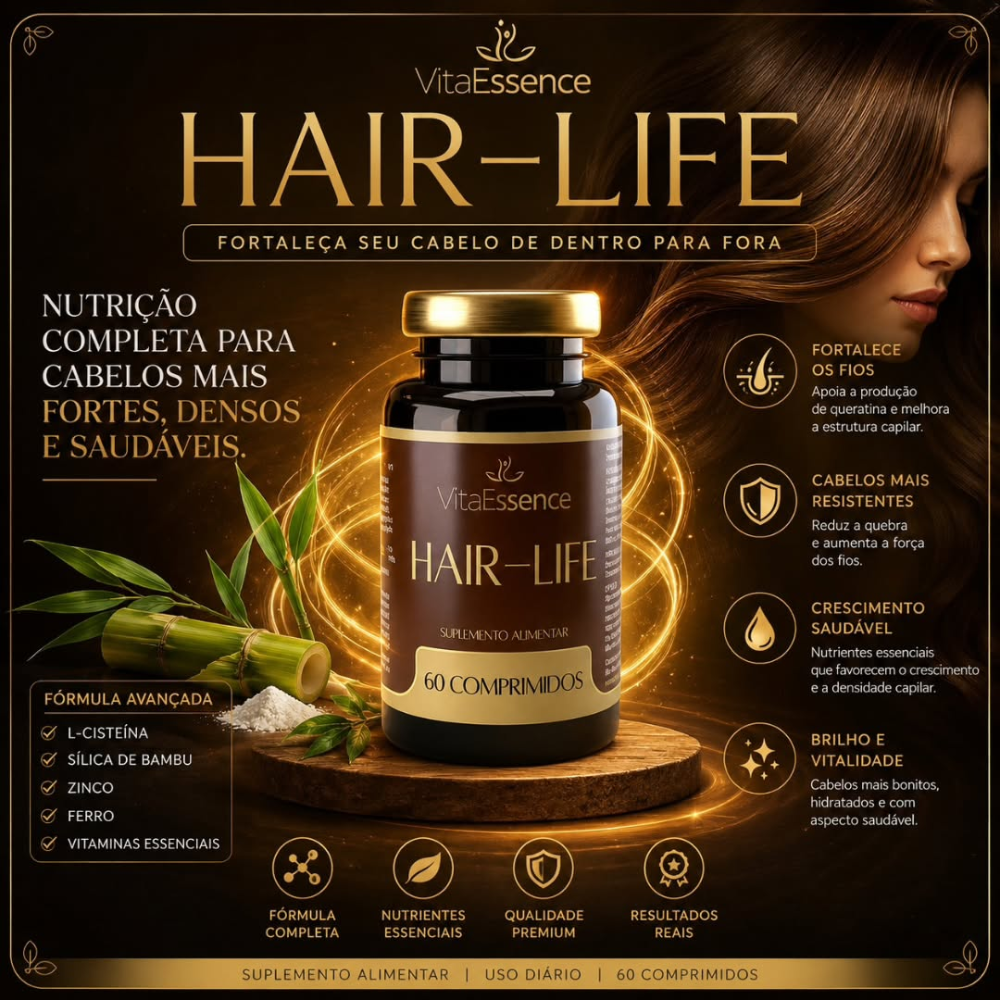
VitaEssence Hair-Life Healthy Hair Food Supplement 60 pillsA food supplement for redness. It an advanced nutritional formula developed to support healthy hair, skin, and nails from within. Supports healthy hair development and strength. Contributes to the maintenance of normal hair. Helps support healthy skin and nails. Ideal for everyday beauty and wellness support.28,94 £*Shipping: 5,22 £Secure redirect to the provider
-
TIMELESS Handmade Tablecloth by Sustainable Threads Organic Cotton Handwoven Ikat Fair TradeTIMELESS Tablecloth Add rich heritage and extraordinary craftsmanship to your table with our TIMELESS Tablecloth, meticulously handmade from organic cotton and woven on traditional manual looms.220,00 $*Shipping: 0,00 $Secure redirect to the provider
-
How do you conjugate in French?
In French, verbs are conjugated to match the subject of the sentence, including the person (I, you, he/she, we, they) and the tense (present, past, future, etc.). To conjugate a regular verb in the present tense, you remove the infinitive ending (-er, -ir, -re) and add the appropriate ending for the subject (je, tu, il/elle, nous, vous, ils/elles). For example, for the verb "parler" (to speak), you would conjugate it as "je parle" (I speak), "tu parles" (you speak), "il/elle parle" (he/she speaks), "nous parlons" (we speak), "vous parlez" (you speak), "ils/elles parlent" (they speak). Irregular verbs have their own unique conjugation patterns that need to be memorized. **
-
Can you help me conjugate avoir?
Sure! The verb "avoir" is conjugated as follows: - J'ai (I have) - Tu as (You have) - Il/Elle/On a (He/She/One has) - Nous avons (We have) - Vous avez (You have) - Ils/Elles ont (They have) **
-
How do you conjugate "perire" in Latin?
The verb "perire" in Latin is conjugated as follows in the present tense: - I perish: pereo - You perish: peris - He/she/it perishes: perit - We perish: perimus - You (plural) perish: peritis - They perish: pereunt **
-
How do you conjugate the Passé Composé?
To conjugate the Passé Composé in French, you typically use the auxiliary verb "avoir" or "être" followed by the past participle of the main verb. The choice between "avoir" and "être" depends on the verb being used and whether it is a transitive or intransitive verb. The past participle of regular -er verbs is formed by replacing the -er ending with -é, for -ir verbs you replace the -ir ending with -i, and for -re verbs you replace the -re ending with -u. Irregular verbs have unique past participle forms that need to be memorized. **
* All prices are inclusive of VAT and, if applicable, plus shipping costs. The offer information is based on the details provided by the respective shop and is updated through automated processes. Real-time updates do not occur, so deviations can occur in individual cases. ** Note: Parts of this content were created by AI.