Buy my-food.eu ?
We are moving the project
my-food.eu .
Are you interested in purchasing the domain
my-food.eu ?
domain@kv-gmbh.de · 0541-91531010
Buy my-food.eu ?
At what salinity is water drinkable?
Water is considered drinkable when it has a salinity level of less than 500 mg/L (milligrams per liter). This level of salinity is generally safe for human consumption and does not pose any health risks. Water with higher salinity levels may taste salty and can have a laxative effect if consumed in large quantities. **
At what salinity level is water drinkable?
Water is considered drinkable when it has a salinity level of less than 500 mg/L (milligrams per liter). This level of salinity is considered safe for human consumption and does not pose any health risks. Higher levels of salinity can make water taste salty and can have negative effects on the body if consumed in large quantities. **


Similar search terms for Salinity
Top-Angebote
Products related to Salinity:
-
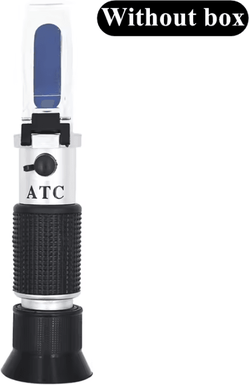
Inspire Curations Handheld Salinity Refractometer For Saltwater Aquariums without BoxMonitor saltwater conditions with confidence using this salinity refractometer designed for quick and convenient liquid testing. Its dualscale measurement allows users to check salinity from 0100 and specific gravity from 1.0001.070 SG, making...100,50 $*Shipping: 0,00 $Secure redirect to the provider
-
Inspire Curations 0 28% ATC Salinity Refractometer For Seawater And Saltwater Testing without BoxKeep salt levels under control with this salinity refractometer, designed for quick and convenient testing of seawater and saline solutions. Its 028% measurement range makes this saltwater concentration tester useful for aquariums, food preparation,...95,00 $*Shipping: 0,00 $Secure redirect to the provider
-
Inspire Select 7 in 1 Digital Water Quality Monitor PH TDS EC ORP Salinity S.G Temperature Tester With Backlight For Aquariums 4 In 1 Ph MeterEnjoy greater confidence in your water conditions with fast, convenient measurements right at your fingertips. This versatile handheld tester combines several essential measurements in one compact device, reducing the need to switch between separate...160,95 $*Shipping: 0,00 $Secure redirect to the provider
-
Uplift Essentials Handheld Aquarium Saltwater Salinity Refractometer with BoxMaintain precise salinity levels in marine environments with this salinity refractometer. Engineered specifically for saltwater aquariums, reef tanks, and marine aquaculture, this precision optical testing instrument measures salt concentrations...64,97 $*Shipping: 0,00 $Secure redirect to the provider


-
Why do oceans have different levels of salinity?
Oceans have different levels of salinity due to a variety of factors. One major factor is the amount of freshwater input from rivers, precipitation, and melting ice. Areas with high freshwater input tend to have lower salinity levels, while areas with high evaporation rates and limited freshwater input have higher salinity levels. Additionally, ocean currents can also play a role in distributing and mixing saltwater, leading to variations in salinity levels across different regions of the ocean. Finally, the temperature of the water can also affect salinity, as warmer water can hold more salt than colder water. **
-
Is organic sustainable?
Organic farming practices can be more sustainable than conventional methods in terms of reducing chemical inputs, promoting biodiversity, and improving soil health. However, there are challenges to the scalability and efficiency of organic farming, which can impact its overall sustainability. For example, organic farming typically requires more land and labor to produce the same amount of food as conventional methods, which can limit its ability to meet global food demand. Additionally, the transportation and distribution of organic products can have a higher environmental impact due to their shorter shelf life and the need for refrigeration. Overall, while organic farming has many sustainable benefits, there are also limitations to its long-term sustainability on a large scale. **
-
How healthy is fresh milk from the local farmer?
Fresh milk from a local farmer can be a healthy option as it is less processed and may contain fewer additives than store-bought milk. It is also likely to be produced from cows that are grass-fed and raised in a more natural environment, which can result in higher nutrient content. However, it is important to ensure that the milk is properly handled and stored to prevent contamination and spoilage. Additionally, individuals with lactose intolerance or milk allergies should be cautious when consuming fresh milk. **
-
Could very many artificial freshwater lakes possibly have an impact on the salinity of the seas?
Yes, the creation of very many artificial freshwater lakes could potentially have an impact on the salinity of the seas. This is because the water that would have otherwise flowed into the sea is being diverted to these lakes, reducing the amount of freshwater entering the sea. As a result, the salinity of the sea could increase due to the imbalance in the water cycle. Additionally, the reduced freshwater flow into the sea could also impact the ecosystems and marine life that rely on a certain level of salinity for survival. **

Is my food healthy?
To determine if your food is healthy, consider the nutritional content and balance of the meal. Look for a variety of colorful fruits and vegetables, lean proteins, whole grains, and healthy fats. Limit processed foods, added sugars, and excessive sodium. Also, consider portion sizes and overall balance of nutrients in your meal. Consulting with a registered dietitian can provide personalized guidance on making healthier food choices. **
Is organic cottage cheese healthy?
Organic cottage cheese can be a healthy option as it is typically made from organic milk, which means it is free from synthetic hormones and pesticides. Cottage cheese is also a good source of protein, calcium, and other nutrients. However, it is important to check the nutrition label for added sugars or unhealthy additives that may reduce its overall healthiness. **
Top-Angebote
Products related to Salinity:
-
Inspired Deals Salinity Refractometer With ATC Dual Scale Saltwater Specific Gravity Meter Salinity Refractometer With ATC Dual Scale Saltwater Specific Gravity MeterKeep salt levels confidently in check with a compact tool built for quick, dependable testing. The RZ118 saltwater salinity meter measures both NaCl concentration and specific gravity, making it practical for aquariums, marine applications, food...54,97 $*Shipping: 0,00 $Secure redirect to the provider
-
Uplift Essentials Handheld Aquarium Saltwater Salinity Refractometer without BoxMaintain precise salinity levels in marine environments with this salinity refractometer. Engineered specifically for saltwater aquariums, reef tanks, and marine aquaculture, this precision optical testing instrument measures salt concentrations...62,97 $*Shipping: 0,00 $Secure redirect to the provider
-
Inspire Curations Handheld Salinity Refractometer For Saltwater Aquariums without BoxMonitor saltwater conditions with confidence using this salinity refractometer designed for quick and convenient liquid testing. Its dualscale measurement allows users to check salinity from 0100 and specific gravity from 1.0001.070 SG, making...100,50 $*Shipping: 0,00 $Secure redirect to the provider
-
Inspire Curations 0 28% ATC Salinity Refractometer For Seawater And Saltwater Testing without BoxKeep salt levels under control with this salinity refractometer, designed for quick and convenient testing of seawater and saline solutions. Its 028% measurement range makes this saltwater concentration tester useful for aquariums, food preparation,...95,00 $*Shipping: 0,00 $Secure redirect to the provider
-
At what salinity is water drinkable?
Water is considered drinkable when it has a salinity level of less than 500 mg/L (milligrams per liter). This level of salinity is generally safe for human consumption and does not pose any health risks. Water with higher salinity levels may taste salty and can have a laxative effect if consumed in large quantities. **
-
At what salinity level is water drinkable?
Water is considered drinkable when it has a salinity level of less than 500 mg/L (milligrams per liter). This level of salinity is considered safe for human consumption and does not pose any health risks. Higher levels of salinity can make water taste salty and can have negative effects on the body if consumed in large quantities. **
-
Why do oceans have different levels of salinity?
Oceans have different levels of salinity due to a variety of factors. One major factor is the amount of freshwater input from rivers, precipitation, and melting ice. Areas with high freshwater input tend to have lower salinity levels, while areas with high evaporation rates and limited freshwater input have higher salinity levels. Additionally, ocean currents can also play a role in distributing and mixing saltwater, leading to variations in salinity levels across different regions of the ocean. Finally, the temperature of the water can also affect salinity, as warmer water can hold more salt than colder water. **
-
Is organic sustainable?
Organic farming practices can be more sustainable than conventional methods in terms of reducing chemical inputs, promoting biodiversity, and improving soil health. However, there are challenges to the scalability and efficiency of organic farming, which can impact its overall sustainability. For example, organic farming typically requires more land and labor to produce the same amount of food as conventional methods, which can limit its ability to meet global food demand. Additionally, the transportation and distribution of organic products can have a higher environmental impact due to their shorter shelf life and the need for refrigeration. Overall, while organic farming has many sustainable benefits, there are also limitations to its long-term sustainability on a large scale. **
Similar search terms for Salinity
-
Inspire Select 7 in 1 Digital Water Quality Monitor PH TDS EC ORP Salinity S.G Temperature Tester With Backlight For Aquariums 4 In 1 Ph MeterEnjoy greater confidence in your water conditions with fast, convenient measurements right at your fingertips. This versatile handheld tester combines several essential measurements in one compact device, reducing the need to switch between separate...160,95 $*Shipping: 0,00 $Secure redirect to the provider
-
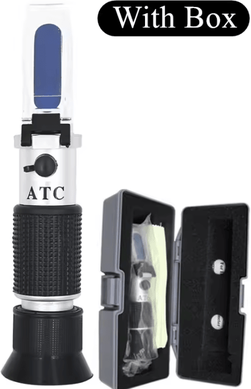
Uplift Essentials Handheld Aquarium Saltwater Salinity Refractometer with BoxMaintain precise salinity levels in marine environments with this salinity refractometer. Engineered specifically for saltwater aquariums, reef tanks, and marine aquaculture, this precision optical testing instrument measures salt concentrations...64,97 $*Shipping: 0,00 $Secure redirect to the provider
-
Inspire Curations Handheld Salinity Refractometer For Saltwater Aquariums with BoxMonitor saltwater conditions with confidence using this salinity refractometer designed for quick and convenient liquid testing. Its dualscale measurement allows users to check salinity from 0100 and specific gravity from 1.0001.070 SG, making...133,00 $*Shipping: 0,00 $Secure redirect to the provider
-
Inspire Curations 0 28% ATC Salinity Refractometer For Seawater And Saltwater Testing with BoxKeep salt levels under control with this salinity refractometer, designed for quick and convenient testing of seawater and saline solutions. Its 028% measurement range makes this saltwater concentration tester useful for aquariums, food preparation,...113,00 $*Shipping: 0,00 $Secure redirect to the provider
-
How healthy is fresh milk from the local farmer?
Fresh milk from a local farmer can be a healthy option as it is less processed and may contain fewer additives than store-bought milk. It is also likely to be produced from cows that are grass-fed and raised in a more natural environment, which can result in higher nutrient content. However, it is important to ensure that the milk is properly handled and stored to prevent contamination and spoilage. Additionally, individuals with lactose intolerance or milk allergies should be cautious when consuming fresh milk. **
-
Could very many artificial freshwater lakes possibly have an impact on the salinity of the seas?
Yes, the creation of very many artificial freshwater lakes could potentially have an impact on the salinity of the seas. This is because the water that would have otherwise flowed into the sea is being diverted to these lakes, reducing the amount of freshwater entering the sea. As a result, the salinity of the sea could increase due to the imbalance in the water cycle. Additionally, the reduced freshwater flow into the sea could also impact the ecosystems and marine life that rely on a certain level of salinity for survival. **
-
Is my food healthy?
To determine if your food is healthy, consider the nutritional content and balance of the meal. Look for a variety of colorful fruits and vegetables, lean proteins, whole grains, and healthy fats. Limit processed foods, added sugars, and excessive sodium. Also, consider portion sizes and overall balance of nutrients in your meal. Consulting with a registered dietitian can provide personalized guidance on making healthier food choices. **
-
Is organic cottage cheese healthy?
Organic cottage cheese can be a healthy option as it is typically made from organic milk, which means it is free from synthetic hormones and pesticides. Cottage cheese is also a good source of protein, calcium, and other nutrients. However, it is important to check the nutrition label for added sugars or unhealthy additives that may reduce its overall healthiness. **
* All prices are inclusive of VAT and, if applicable, plus shipping costs. The offer information is based on the details provided by the respective shop and is updated through automated processes. Real-time updates do not occur, so deviations can occur in individual cases. ** Note: Parts of this content were created by AI.